Image Credit – Hema
The muscle contraction of skeletal muscles is one of the most fascinating and essential processes in the human body. Whether you’re lifting a weight, running, typing, or even smiling, your skeletal muscles are hard at work. Understanding how these muscles contract helps us appreciate the complexity of movement and the importance of maintaining healthy muscular function. In this article, we’ll explore what happens behind the scenes every time you take a step, stretch your arms, or flex a muscle.
Muscle Contraction of Skeletal Muscles: How It Really Works
What Are Skeletal Muscles?
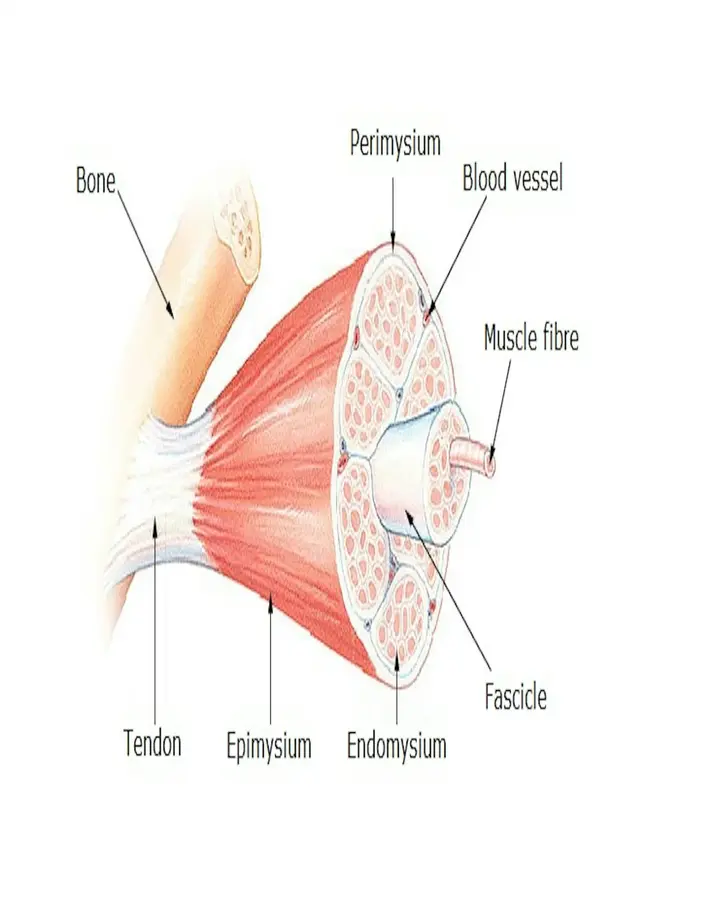
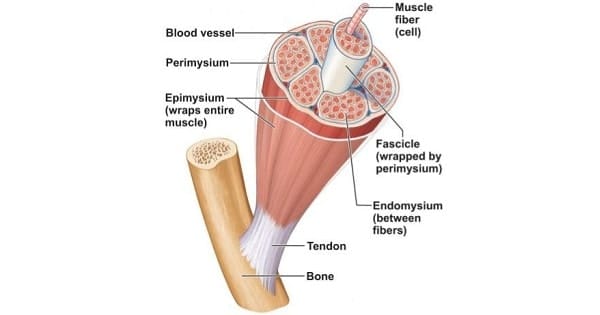
Skeletal muscles are the muscles attached to bones through tendons. They are responsible for voluntary movements—meaning you control them consciously. Unlike smooth muscles found in organs or cardiac muscle in the heart, skeletal muscles work through a coordinated system that involves the nervous system, muscle fibers, and numerous biochemical reactions. This system sets the foundation for the muscle contraction of skeletal muscles.
The Role of the Nervous System
Every movement begins with the brain. When you decide to move, your brain sends an electrical signal called an action potential through motor neurons. These neurons travel all the way to the muscle fibers, delivering the message to contract. This point of communication between a nerve and a muscle fiber is known as the neuromuscular junction.
Once the signal reaches the neuromuscular junction, it triggers the release of a neurotransmitter called acetylcholine. This chemical messenger binds to receptors on the muscle cell membrane, causing an electrical impulse to spread across the muscle fiber. This electrical activation is what initiates the muscle contraction of skeletal muscles.
Sliding Filament Theory: How Contraction Happens
Inside each skeletal muscle fiber are smaller structures called myofibrils. These myofibrils contain two key proteins—actin (thin filaments) and myosin (thick filaments). The interaction between these two proteins explains how contraction occurs and forms the basis of the sliding filament theory.
Once activated, calcium ions are released from the sarcoplasmic reticulum inside the muscle fiber. These calcium ions bind to a protein called troponin, which shifts the tropomyosin on the actin filaments, exposing binding sites for myosin.
Now, myosin heads attach to these binding sites and pull the actin filaments closer together. This pulling action shortens the muscle fiber, leading to contraction. The continuous cycle of myosin attaching, pulling, detaching, and reattaching creates the mechanical force needed for movement. This process is the core of the muscle contraction of skeletal muscles.
Energy Requirement for Contraction
Muscle contraction requires energy, and the primary source of that energy is ATP (adenosine triphosphate). ATP allows myosin heads to detach from actin after each pull and reset for the next cycle. Without ATP, muscles would remain locked in place. In fact, the stiffness seen in rigor mortis occurs because ATP production ceases after death.
During intense exercise, when the demand for ATP increases, the body uses various energy systems—creatine phosphate, glycolysis, and aerobic respiration—to ensure continuous muscle contraction of skeletal muscles.
Relaxation of Skeletal Muscles
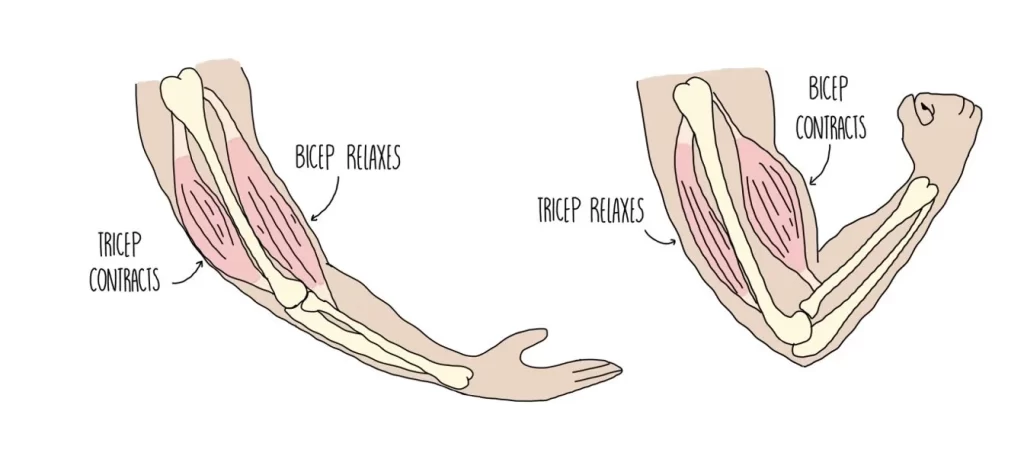
Just as important as contraction is muscle relaxation. Once the nervous system stops sending signals, calcium ions are pumped back into storage inside the muscle fiber. Actin and myosin detach, and the muscle returns to its resting length. This cycle of contraction and relaxation allows for smooth, controlled movement.
The muscle contraction of skeletal muscles is a complex yet beautifully coordinated process involving the nervous system, muscle fibers, proteins, and energy molecules. From the initial brain signal to the intricate action of actin and myosin, every step plays a vital role in movement and strength. Understanding this process not only enhances our knowledge of the human body but also helps in improving exercise, rehabilitation, and overall physical performance.
Frequently Asked Questions
What is the muscle contraction of skeletal muscles and how does it work?
The muscle contraction of skeletal muscles is the process where actin and myosin filaments slide past each other after being activated by nerve signals. This shortening of muscle fibers creates movement and allows the body to perform voluntary actions.
Why is calcium important in the muscle contraction of skeletal muscles?
Calcium plays a key role in the muscle contraction of skeletal muscles by binding to troponin, which exposes myosin-binding sites on actin. Without calcium, the contraction cycle cannot begin.
What energy source is used during the muscle contraction of skeletal muscles?
ATP is the primary energy source for the muscle contraction of skeletal muscles. It allows myosin heads to attach, pull, and detach from actin, powering each contraction cycle.