
Image Credit – Hema
In carbohydrate chemistry, identifying the type of sugar present in a sample is crucial. One of the classic qualitative tests used for this purpose is the Seliwanoff test. Developed by the Russian chemist Theodor Seliwanoff in 1887, this test provides a quick and reliable way to distinguish aldoses from ketoses based on their reaction with specific reagents under heat. Whether you’re a student, researcher, or simply interested in biochemistry, understanding how the Seliwanoff test works can deepen your grasp of carbohydrate structure and reactivity.
Seliwanoff Test
What Is the Seliwanoff Test?
The Seliwanoff test is a chemical test used to differentiate between aldose and ketose sugars. It is based on the principle that ketoses react faster than aldoses when heated with concentrated acid and resorcinol (a phenolic compound).
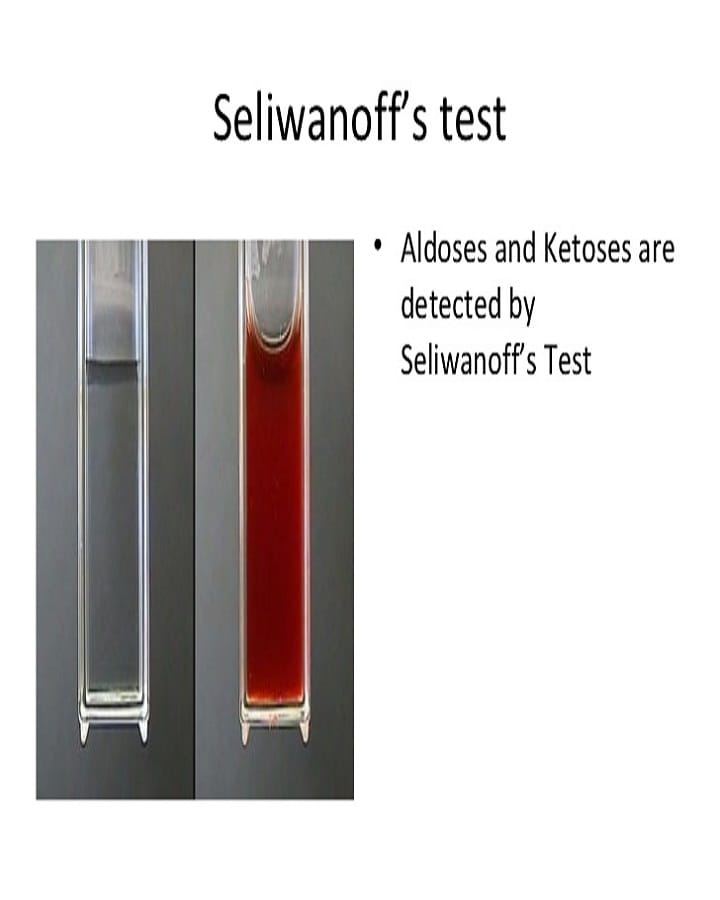
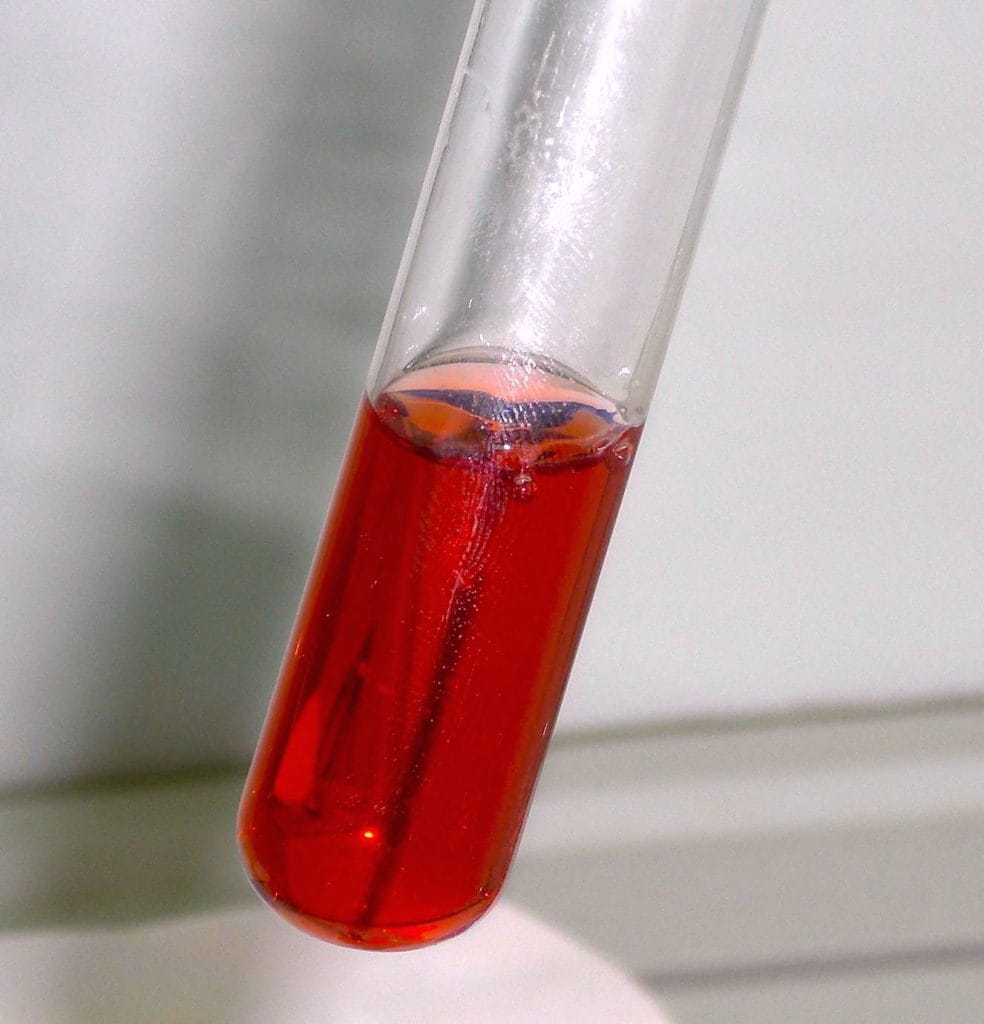
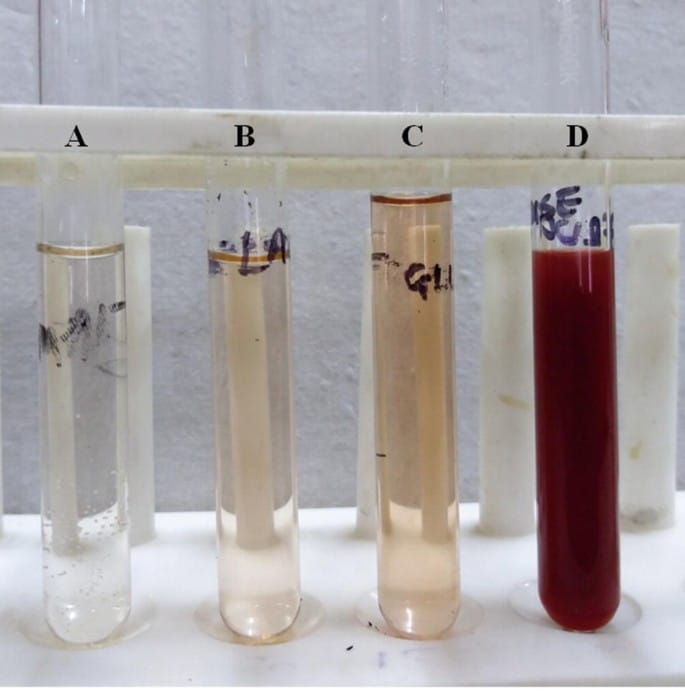
When a carbohydrate sample is mixed with Seliwanoff’s reagent—a solution of resorcinol in concentrated hydrochloric acid (HCl)—and then heated, ketoses quickly dehydrate to form hydroxymethylfurfural. This compound reacts with resorcinol to produce a deep cherry-red color. Aldoses, on the other hand, react more slowly, producing a lighter pink color if heated for longer periods.
Principle Behind the Seliwanoff Test
The Seliwanoff test relies on the different dehydration rates of aldoses and ketoses in acidic conditions.
- Ketoses (like fructose) have a carbonyl group on the second carbon atom, making them more reactive. They dehydrate rapidly to form hydroxymethylfurfural, which then reacts with resorcinol to yield a red-colored complex.
- Aldoses (like glucose) have a carbonyl group on the first carbon atom. They react more slowly and may form a faint pink color only after extended heating.
This difference in reaction speed and color intensity allows chemists to distinguish ketoses from aldoses visually.
Procedure of the Seliwanoff Test
Here’s how a typical Seliwanoff test is performed in a laboratory setting:
- Prepare the reagent: Mix resorcinol with concentrated HCl (about 0.05 g of resorcinol per 100 mL of HCl).
- Add the sample: Place about 2 mL of Seliwanoff’s reagent in a test tube and add a few drops of the sugar solution.
- Heat gently: Warm the mixture in a water bath for 1–2 minutes.
- Observe the color:
- Rapid red color → Indicates a ketose (e.g., fructose or sucrose after hydrolysis).
- Slow pink color → Indicates an aldose (e.g., glucose).
Applications of the Seliwanoff Test
The Seliwanoff test has several important applications in carbohydrate chemistry and biochemistry:
- Differentiating sugars: It is commonly used to identify whether a sugar is an aldose or ketose.
- Food and beverage analysis: Helps detect the presence of fructose or sucrose in processed foods.
- Biochemical research: Used in laboratories to analyze carbohydrate metabolism and enzymatic reactions.
- Educational demonstrations: Frequently included in chemistry and biology labs to teach students about sugar chemistry.
Precautions
- Avoid overheating, as excessive heat can darken the solution and obscure results.
- Handle concentrated HCl with care and wear appropriate safety equipment.
- Always use freshly prepared Seliwanoff reagent for accurate results.
The Seliwanoff test remains one of the simplest yet most insightful experiments in carbohydrate chemistry. By visually distinguishing between aldoses and ketoses, this test reveals the subtle structural differences that define sugar behavior. Whether used for academic learning or analytical testing, Seliwanoff’s test continues to be a valuable tool in understanding the chemistry of life’s essential molecules — carbohydrates.
Frequently Asked Questions
What is the Seliwanoff test and what is it used for?
The Seliwanoff test is a biochemical test used to differentiate between aldose and ketose sugars. When a sugar reacts with Seliwanoff’s reagent (resorcinol and concentrated HCl), ketoses form a cherry-red color faster than aldoses, which develop a faint pink hue. This reaction helps chemists identify sugar types in food analysis, research, and educational labs.
What is the principle behind the Seliwanoff test?
The Seliwanoff test is based on the dehydration of sugars under acidic conditions. Ketoses, such as fructose, dehydrate more rapidly than aldoses like glucose, forming hydroxymethylfurfural, which reacts with resorcinol to yield a red-colored compound. The difference in reaction rate and color intensity allows quick identification of ketose and aldose sugars.
Who discovered the Seliwanoff test and when?
The test was discovered by Theodor Seliwanoff, a Russian chemist, in 1887. He developed this test to distinguish between aldose and ketose sugars using simple chemical reactions. Despite being over a century old, it remains a fundamental qualitative test in carbohydrate chemistry.