
Image Credit – Hema
RNA Isolation is one of the most essential techniques in molecular biology, biotechnology, and genetic research. Whether you are studying gene expression, conducting RT-PCR, or working on next-generation sequencing, the quality of your RNA matters. Even a slight contamination can affect downstream applications. This is why understanding the principles, steps, and best practices of RNA Isolation is crucial for accurate and reliable results.
RNA Isolation: A Complete Guide for Beginners and Researchers
Isolation is the process of extracting pure RNA (Ribonucleic Acid) from biological samples such as tissues, blood, plant leaves, cultured cells, or microbial cultures. The aim is to separate RNA from DNA, proteins, lipids, and other cellular components without degrading it.
RNA is highly unstable because it is extremely sensitive to RNases – enzymes that break down RNA. Therefore, maintaining an RNase-free environment is the foundation of every successful RNA isolation protocol.
Why Is RNA Isolation Important?
Researchers isolate RNA to study the real-time activities of genes. Since RNA reflects the active genetic processes inside a cell, it becomes a powerful tool for:
- Gene expression analysis
- RT-PCR and qPCR
- RNA-Seq and transcriptome studies
- Microarray experiments
- mRNA profiling
- Disease diagnostics and biomarker studies
High-quality RNA ensures accurate results, whereas degraded RNA can lead to incomplete, misleading, or failed experiments.
Types of RNA Isolation Methods
There are several methods used for RNA Isolation depending on the type of sample and downstream application:
1. TRIzol or Phenol–Chloroform Method
One of the most widely used techniques, TRIzol reagent helps break down cells and separate RNA from DNA and proteins. This method is cost-effective and works well for tough tissues.
2. Column-Based RNA Isolation Kits
Spin column kits provide fast, convenient, and cleaner RNA compared to organic extraction methods. They are ideal for sensitive applications like RT-PCR or sequencing.
3. Magnetic Bead-Based
Used in automated systems, this method is ideal for processing multiple samples with high reproducibility.
4. Automated RNA Extraction Systems
These machines offer high-throughput RNA Isolation—perfect for clinical labs and large research facilities.
Step-by-Step Overview
Even though protocols vary, most Isolation procedures follow these basic steps:
1. Sample Collection and Lysis
Cells or tissues are broken open using lysis buffers or TRIzol, releasing RNA into solution.
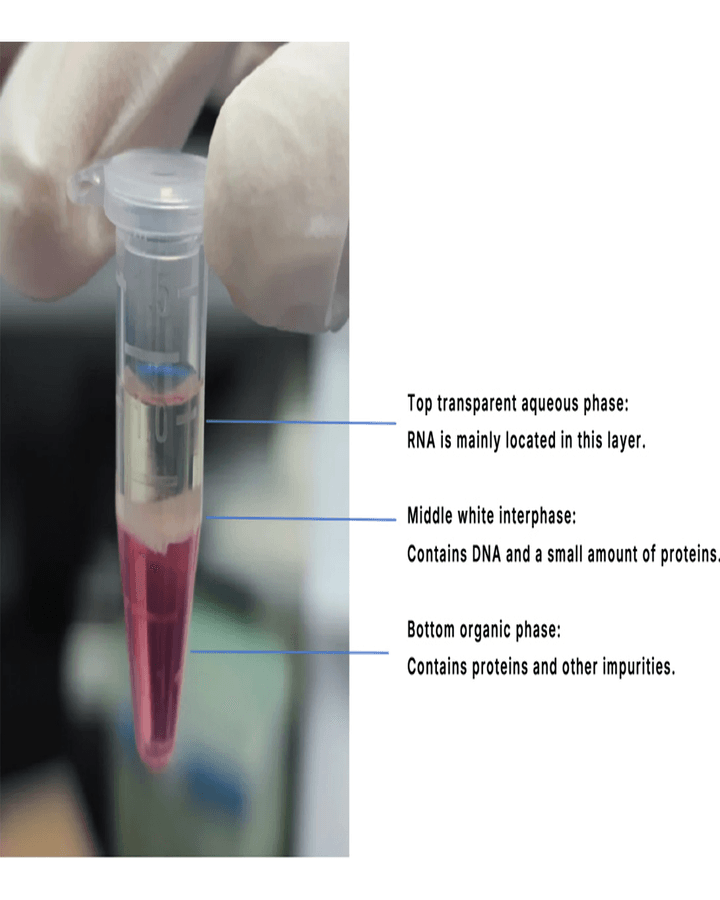
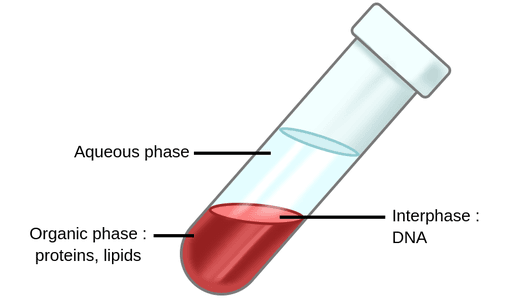
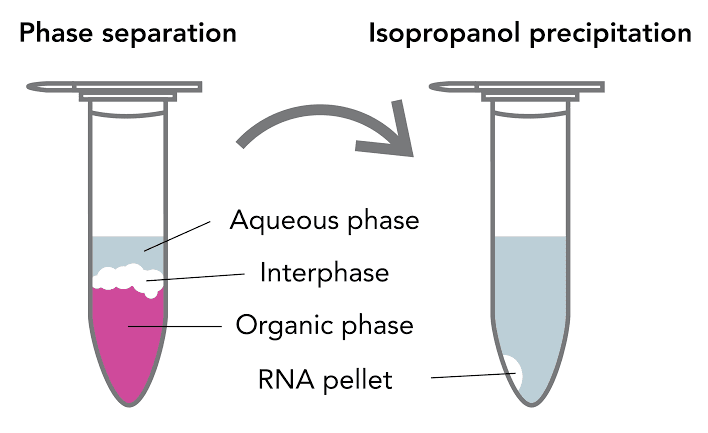
2. Phase Separation
Phenol-chloroform (in TRIzol methods) or binding buffers (in column kits) help separate RNA from other cellular materials.
3. RNA Binding
In kit-based methods, RNA binds to a silica membrane or magnetic beads.
4. Washing
Impurities like salts and proteins are washed away using ethanol-based buffers.
5. RNA Elution
RNA is finally eluted in RNase-free water or buffer.
6. Quality Check
Researchers evaluate RNA purity using spectrophotometry (A260/A280 ratio) and integrity using gel electrophoresis or bioanalyzers.
Tips for High-Quality RNA Isolation
- Always use RNase-free tubes, tips, and consumables
- Wear gloves and change them frequently
- Clean surfaces with RNase-decontamination solutions
- Keep samples cold to prevent RNA degradation
- Use fresh reagents and follow protocol timings strictly
- Avoid repeated freeze–thaw cycles of RNA samples
- Store isolated RNA at −80°C for long-term use
Following these tips helps preserve RNA integrity and ensures reliable results in your experiments.
RNA Isolation is the backbone of gene expression and molecular biology research. With careful handling, the right reagents, and a clean workspace, anyone can extract high-quality RNA suitable for advanced applications like RT-PCR, RNA-Seq, and diagnostics. If you want more tutorials or guide topics like this, let us know in the comments!
Frequently Asked Questions
What is RNA Isolation?
RNA Isolation is the process of extracting pure RNA from cells or tissues for gene expression and molecular biology studies.
Why is RNA so sensitive?
RNA easily degrades because RNases—enzymes found everywhere—rapidly break it down, requiring strict RNase-free conditions.
Which method is best for RNA Isolation?
For high purity, spin-column kits are preferred. For cost-effectiveness, TRIzol (phenol-chloroform) is widely used.