

Image Credit – Hema
Understanding how the body processes amino acids begins with two essential metabolic reactions: transamination and deamination. These biochemical pathways play a vital role in protein metabolism, energy production, and maintaining nitrogen balance within the body. Whether you’re a student, health enthusiast, or biology learner, gaining insight into transamination and deamination helps you appreciate the complex mechanisms that keep our cells functioning efficiently. In this article, we’ll break down what these processes are, how they differ, and why they matter for overall metabolic health.
Amino acids are the building blocks of life, essential for the formation of proteins, enzymes, hormones, and many cellular structures. But amino acids are not only structural units—they also participate in dynamic metabolic pathways that help the body produce energy, maintain nitrogen balance, and synthesize new molecules. Two of the most important biochemical processes involved in amino acid metabolism are transamination and deamination. Understanding these reactions gives deeper insight into how the body manages nutrients and maintains metabolic stability.
Transamination and Deamination Explained: A Perfect Guide for Students & Learners
What Is Transamination?
Transamination is a biochemical process in which an amino group is transferred from one amino acid to a keto acid. This reaction essentially allows the body to shuffle amino groups around to create new amino acids as needed. Transamination is crucial because the human body cannot synthesize all amino acids from scratch; instead, it relies on rearranging existing amino groups to form non-essential amino acids.
This reaction is catalyzed by enzymes called aminotransferases or transaminases, the most notable being alanine aminotransferase (ALT) and aspartate aminotransferase (AST). These enzymes require pyridoxal phosphate (PLP), a form of vitamin B6, as a coenzyme, making vitamin B6 essential for proper amino acid metabolism.
The primary purpose of transamination is flexibility. When the body needs a specific amino acid, it can generate it quickly by transferring amino groups among different molecules. This process supports muscle repair, enzyme production, and cellular growth. Without effective transamination, the body would struggle to maintain an adequate supply of amino acids for critical physiological functions.
What Is Deamination?
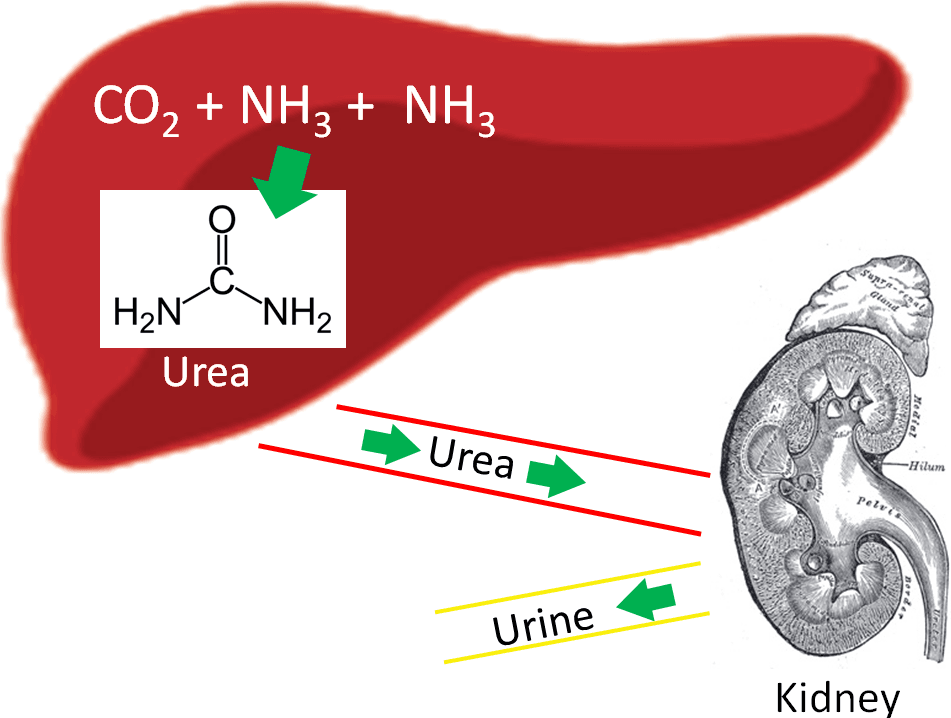
While transamination rearranges amino groups, deamination removes the amino group entirely from an amino acid. This process is essential when the body needs to use amino acids for energy or convert them into glucose or fat. During deamination, the amino group is released as ammonia (NH₃), which is toxic and must be processed further.
The liver plays a key role here. After deamination, ammonia enters the urea cycle, where it is converted into urea, a much less toxic compound that the kidneys can safely excrete through urine. This detoxification process maintains nitrogen balance and prevents ammonia accumulation, which can be harmful to the brain and other organs.
Deamination typically occurs when the body has excess amino acids or when carbohydrates and fats are insufficient, such as during fasting or intense exercise. In these situations, amino acids become an important energy source, and deamination ensures that their carbon skeletons can be used for ATP generation.
Transamination vs. Deamination: Key Differences
Although both processes involve amino groups, they serve distinct metabolic purposes:
| Feature | Transamination | Deamination |
|---|---|---|
| Main Function | Transfers amino group to form new amino acids | Removes amino group for energy use |
| End Product | New amino acid & new keto acid | Ammonia → converted to urea |
| Primary Location | Liver, muscles | Mainly liver |
| Importance | Amino acid synthesis | Energy production & nitrogen removal |
Together, transamination and deamination form a balanced system that ensures amino acids are efficiently used, recycled, or converted as needed.
Why These Processes Matter
These biochemical pathways are essential for:
- Protein synthesis and repair
- Detoxification of ammonia
- Glucose formation during fasting
- Maintaining nitrogen balance
- Producing energy when needed
Without proper regulation of transamination and deamination, metabolic disorders, liver disease, or nutrient deficiencies can arise.
Frequently Asked Questions
What is the main difference between transamination and deamination?
Transamination transfers an amino group to form new amino acids, while deamination removes the amino group completely so the carbon skeleton can be used for energy
Where do transamination and deamination occur in the body?
Transamination happens mainly in the liver and muscles, while deamination occurs primarily in the liver, where ammonia is converted into urea.
Why are transamination and deamination important?
They help the body synthesize new amino acids, remove excess nitrogen, produce energy, and maintain overall metabolic balance.